
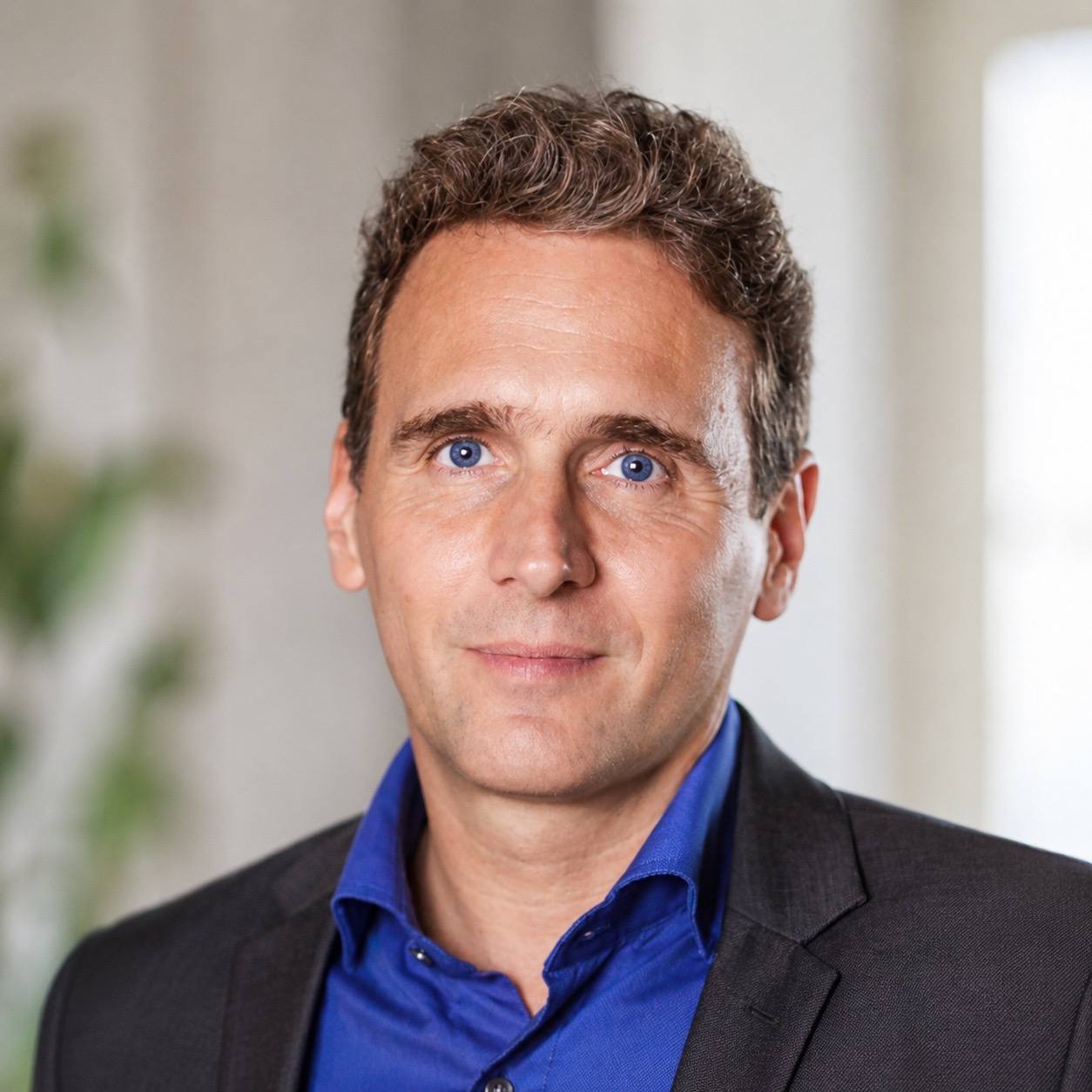
I set up the business and clinical functions of a biotech, run them, and hand them over.
I’m a physician who turns science into business decisions, trained in neurology, neuroscience and business. As a biotech grows into its next development phase, it needs certain functions before it has the departments to own them. I set up and run those business and clinical functions, across clinical development, clinical operations and partnering, until the company is ready to bring them in-house. AI agents I build myself do much of the work, so lean teams can operate like much bigger ones.
Running a lab is one thing. Running a company is another. BioAlma fills the gap.
Every function follows the same path: I set it up, run it with AI agents, and hand it over when you’re ready to bring it in-house.
Set up
The function your company needs next, designed by someone who has done it before.
Run
Operated by me with AI agents, so it costs a fraction of a department.
Hand over
To your permanent hire, with the documents, the agents and your data. Nothing held back.
Each function ends one of two ways: handed to your hire, or kept running on agents. When the company grows, the next function starts.
You built the science. I set up what the company needs around it.
Clinical development
Development plan, protocol synopsis, endpoints and KOL input.
Clinical operations
CRO and site selection, feasibility, budgets and vendor oversight.
Medical affairs
KOL map and advisory boards.
Regulatory strategy
Precedent analysis and meeting preparation, with specialist partners.
BD and partnering
Target list, non-confidential deck, data room and outreach.
Competitive intelligence
Landscape and pipeline boards, with pipelines and trials always current.
Plan and budget
Operating plan, budget and investor materials.
Company knowledge
Document system, search and an assistant.
What I don’t do: the science, lab work or CMC execution. I don’t stand in for a hire the company is ready to make. And I never keep a client by holding its data.
A physician who turns science into business decisions.
Science into decisions about money
I trained in medicine and business, as an MD and MBA. At Artiva Biotherapeutics I was responsible for financial planning through the company’s IPO, and then for medical and competitive intelligence. Before that, I built and led ventures in medicine and clinical research in Brazil and the US.
Clinical development and clinical operations
I work on both: the development plan, the protocol synopsis and the endpoints, and the operations that carry them out, from CRO and site selection to budgets and vendor oversight.
Agents I build and run
The AI agents inside each function are ones I build and operate myself: literature and trial tracking, document checks, partner and deal tracking. When a function is handed over, the agents go with it.
Relationships with high stakes
My whole career has been built on demanding relationships: with physicians as a hospital’s chief medical officer, with investors and corporate clients as a consultant and an entrepreneur. Trust is what makes the work useful.
Along the way I have worked with Novartis, Roche, Ionis, Bain, the Economist Intelligence Unit, Pátria and the IFC, and with the hospitals and founders who taught me most of what I know.
From a first conversation to a running function, in a few weeks.
A conversation
What you are building, which function you need next, and who will own it in the end.
A written plan
Scope, options and costs in one place, written for your team to review.
Set up
The function designed and documented, on a BioAlma workspace of your own, on our cloud or on your server.
Run, then hand over
I run it with agents until your permanent hire is ready, then hand over the documents, the agents and the data.
Infrastructure and AI usage can sit in your own accounts, so you see every cost directly.
A small rare-disease biotech
BioAlma runs on a server the company owns, reads from its own document store and uses its own AI account. I set up the instance, the sign-in and the encrypted data area within days of signing; next, years of records become one cited library.
Client details shared only with permission.
Operated by me. Owned by you.
Every claim sourced, every decision signed.
Your data and your instance
If you choose your own server, it is in your company’s name. If we stop working together, you keep everything and can keep running it.
Your AI account
The in-app agent can run on your own AI provider account, under commercial terms that do not train on your data.
Least privilege
I get the access the work needs and nothing more. Your administrators control it.
Confidential by default
Your name, your data and your plans are never used to sell to anyone else.
Let’s see if we’re a fit.
Thirty minutes is enough to know whether working together makes sense for your company.